
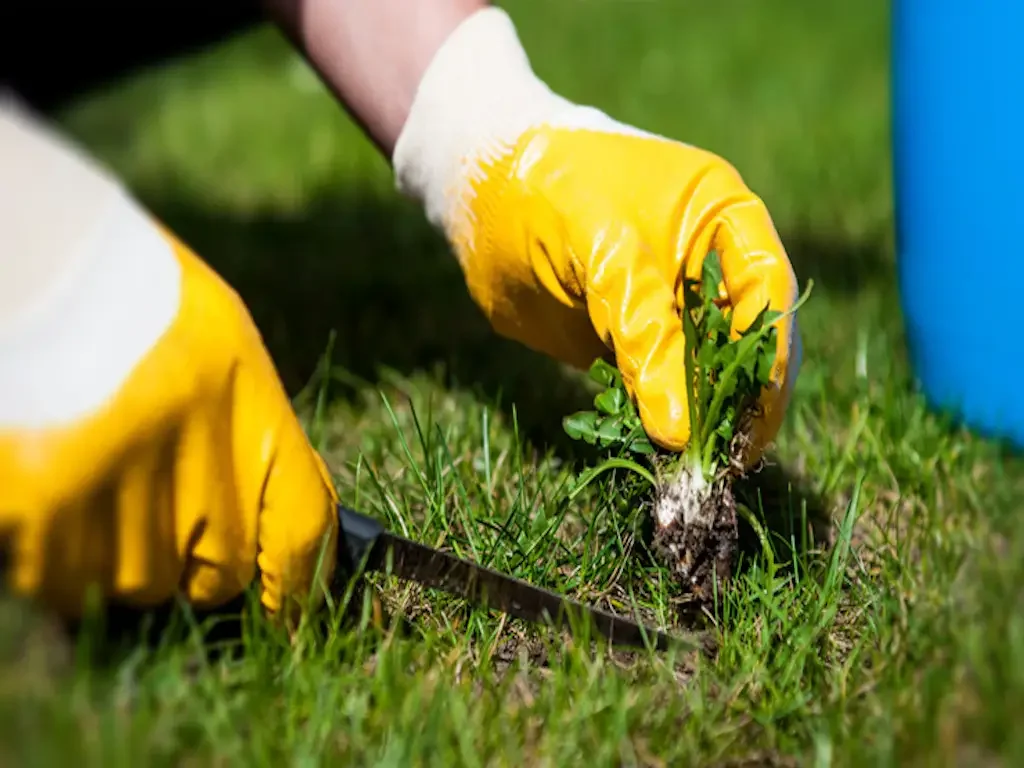
Weeding services to elevate your outdoor spaces
Professional lawn maintenance services by only qualified and experienced operatives.
Zero‑Emission Weed Control
Kind to Your Garden, Gentle on the Planet
At Nature Landscapes, we’ve swapped harsh chemicals and polluting machinery for clean, green methods that keep your outdoor spaces healthy—and our air and soil pure. Our zero‑emission weed control delivers results you can trust, with zero compromise on environmental care.
Our weed and feed service operates during the growing season from Spring to Autumn. All applications are matched to weather and ground conditions. The products we use will treat moss and selective weeds as well as providing nutrients to the soil for a greener, healthier grass.
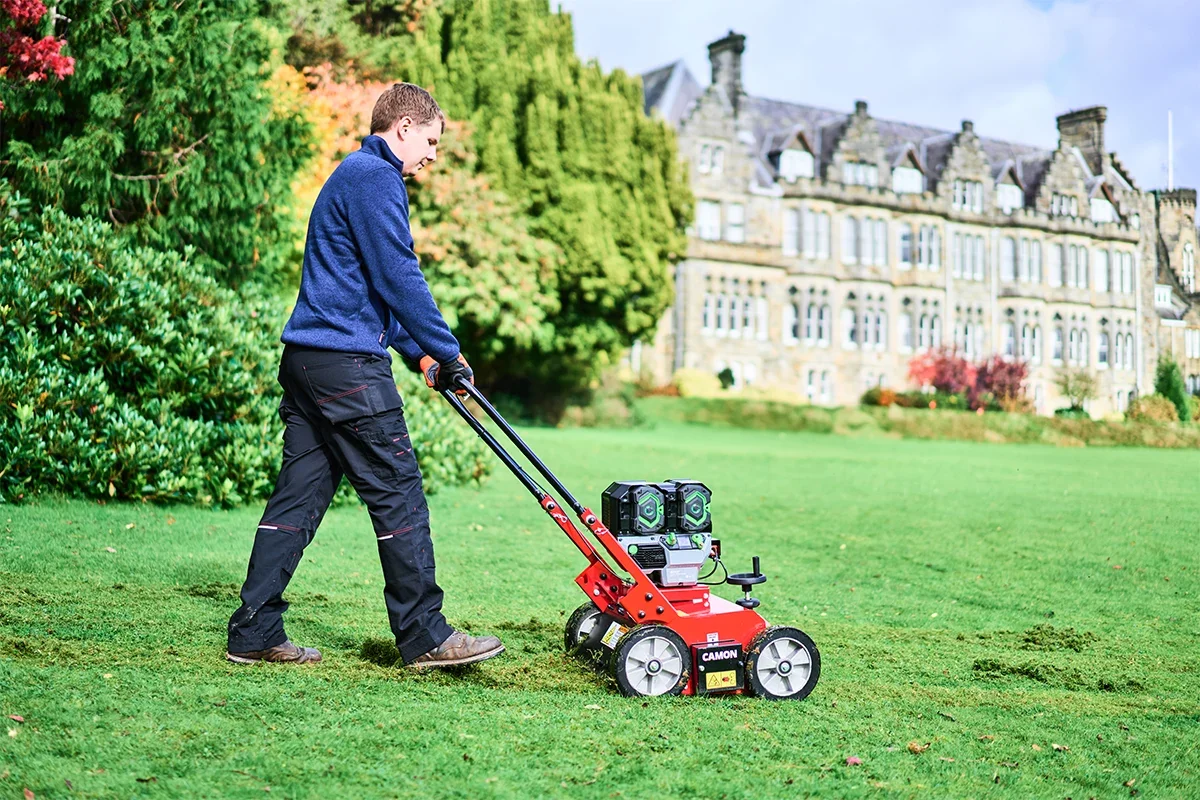
If you have large quantities of moss, we can scarify to remove it along with any build up of grass thatch. We can treat anything from small patches to entire lawns, either using specialist rakes or machines.
For grass areas suffering from compaction, hollow-tining will remove small cores of earth to create air pockets and relieve pressure on the roots. It can also improve drainage of water-logged lawns.



Invasive Weed Management — Specialist Service
Protected, regulated, and professionally controlled across Glasgow & Scotland
Scotland’s unique ecosystems face serious threats from non‑native invasive species — many of which are legally controlled, can damage property, and spread rapidly to harm native wildlife. We deliver specialist, compliant management programmes tailored to each species and site.
What’s included in every invasive management plan:
Full site survey & risk mapping
Compliance with Scottish Government & SEPA codes of practice
Clear timeline & staged treatment schedule
Zero‑emission methods prioritised where effective
Licensed waste disposal where required
Progress reports & aftercare guidance
Option for long‑term maintenance to prevent return
4 Stage process




Immediate containment — cut back flowering/seed heads first to stop further spreading; contain or remove debris securely
Zero‑emission methods first — electric thermal treatment, hand‑pulling, mechanical extraction, or electric cutting used wherever effective
Responsible herbicide application
Spot treatment, stem injection, or wicking — never broadcast spraying
Carried out by NPTC/SCAT‑qualified staff using SEPA‑approved, minimum‑dose products
Full risk assessment, weather checks, and buffer zones in place
Licensed disposal — invasive or treated waste removed and disposed of at authorised facilities; no burning or unlicensed dumping
Identification & Site Assessment
Full on‑site survey to identify every weed species — distinguishing between common garden weeds, persistent perennials, and legally controlled invasive species
Map extent, growth pattern, and root/rhizome spread — including hidden underground growth for deep‑rooted types
Assess location: proximity to watercourses, trees, native plants, buildings, boundaries, and public/pet access areas
Review legal status: confirm if the species is regulated, notifiable, or requires SEPA/statutory compliance
Discuss your priorities — complete clearance, management, or long‑term control — and any sensitive areas to protect
Provide a fully itemised report with photos, identification details, and recommended plan
Containment & Targeted RemovalSoil health improvement — mulching, nutrient boosting, and ground preparation to support strong, desirable plant growth that naturally suppresses weeds
Replanting & ground cover — introduce native or robust cover plants to fill bare space and out‑compete new weed seedlings
Physical barriers — root membranes or structural installation where appropriate (e.g. Japanese Knotweed)
Scheduled maintenance plans — regular visits to keep on top of garden beds, paths, and boundaries
Annual monitoring — optional ongoing checks to ensure no return, ideal for property transactions or high‑risk sites
Aftercare guidance — what you can do between visits to keep weeds from re‑establishing
Control & Follow‑Up TreatmentScheduled return visits timed to match the specific species’ growth cycle — not just one single treatment
Monitor for regrowth from roots, rhizomes, or seeds left in soil
Repeat targeted control hand‑pulling, heat, or precision treatment — as new shoots appear
Adjust methods seasonally: early growth, peak growing, pre‑seeding, and post‑dieback checks
Update you after every visit with progress notes and photos
Continue until regrowth has ceased and the seed bank is depleted — typically 1–3 years for invasive species
Prevention, Restoration & Long‑Term Care